Quick Facts
- Category: Finance & Crypto
- Published: 2026-05-09 01:25:46
- 10 Key Facts About How Changing the Rock in Cement Could Slash CO2 Emissions
- Django Resurgence: Why Developers Are Turning to the Mature Web Framework for Long-Term Projects
- Unlocking the Power of PS5: Running Linux and Steam Games on Sony's Console
- DIY Enthusiast Builds Pocket Linux Server on Raspberry Pi, Runs LLMs from Power Bank
- Unlock Docker Everywhere: A Step-by-Step Guide to Using Docker Offload
In today's cloud-first world, where AI systems handle sensitive decisions and workloads grow more autonomous, trust must be engineered at every layer of infrastructure. Microsoft's Azure Integrated Hardware Security Module (HSM) is a breakthrough that embeds cryptographic protection directly into servers, making security a built-in feature rather than an afterthought. With a recent push to open-source key components, this technology is setting new standards for transparency and verifiability. Here are five essential things you need to know about how Azure Integrated HSM is reshaping cloud trust.
1. Hardware-Backed Security Embedded in Every Azure Server
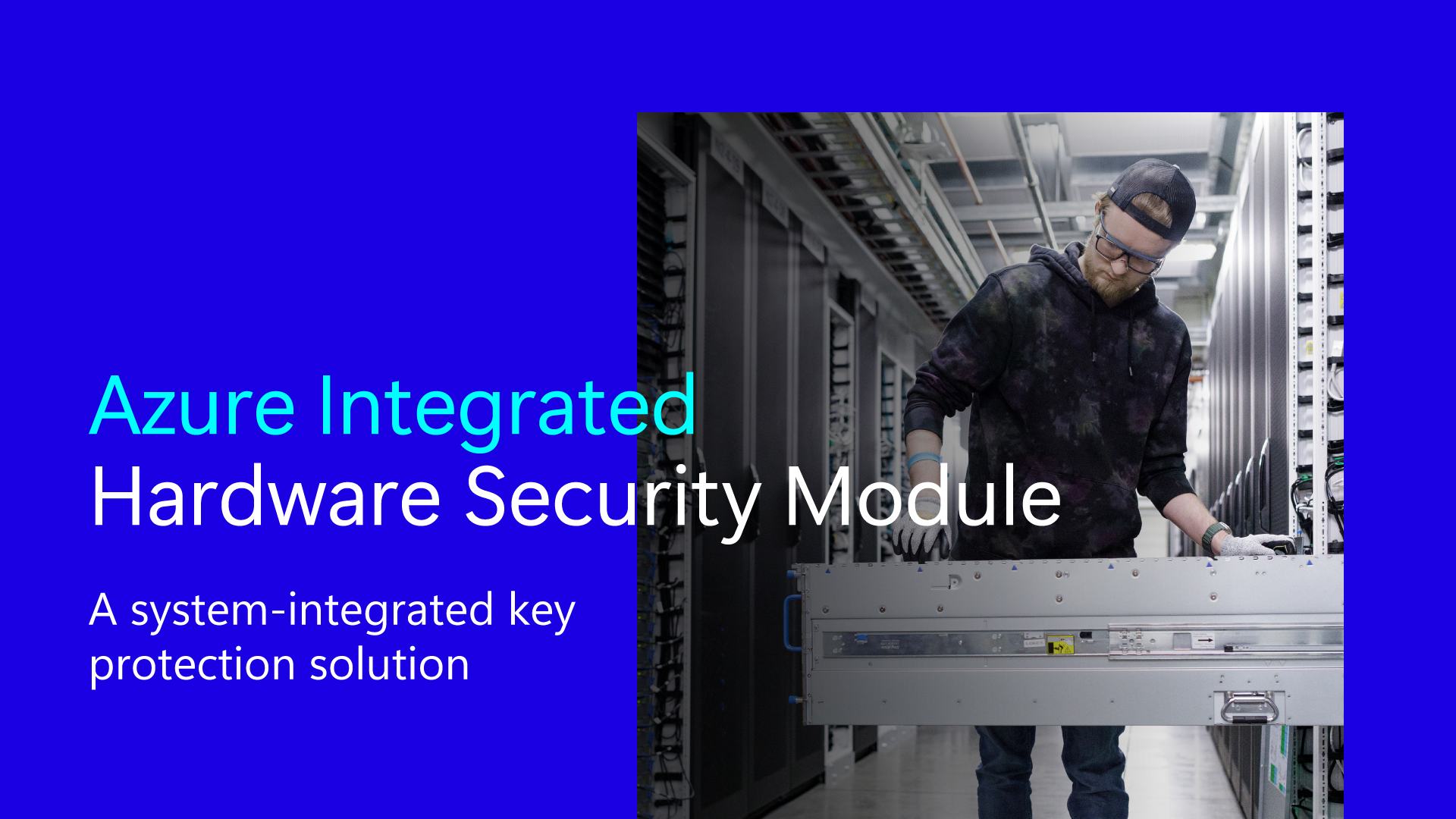
Rather than relying solely on centralized key management services, Azure Integrated HSM is a tamper-resistant module designed and built by Microsoft, installed in every new Azure server. This means hardware-enforced protection becomes a native property of the compute platform itself, not an add-on. By bringing cryptographic operations directly to where workloads run, it reduces latency and eliminates the need to move keys across networks, thereby shrinking the attack surface for potential breaches.
2. Achieves FIPS 140-3 Level 3 Compliance as a Default
The module meets the rigorous FIPS 140-3 Level 3 standard, widely recognized as the gold benchmark for hardware security modules used by governments and regulated industries. Level 3 demands strong tamper resistance, hardware-enforced isolation, and protection against both physical and logical key extraction. Azure Integrated HSM makes these high-level assurances a default property of the cloud platform, so organizations get enterprise-grade security without needing specialized configurations or premium tiers.
3. Key Components Are Now Open Source for Independent Review
At the Open Compute Project (OCP) EMEA Summit, Microsoft announced plans to release the Azure Integrated HSM firmware, driver, and software stack as open source. The firmware is already available on GitHub, alongside validation artifacts like the OCP SAFE audit report. This move allows customers, partners, and regulators to examine implementation details directly, increasing trust through transparency and fostering industry-wide collaboration.

4. Empowers Regulated Industries and Sovereign Clouds
For sectors such as finance, healthcare, and government, independent validation of security controls is often a non-negotiable requirement. By open-sourcing critical components, Azure Integrated HSM enables these stakeholders to assess design choices and security boundaries firsthand. This reduces reliance on vendor assertions and gives sovereign cloud operators the confidence to deploy the module in environments where data residency and compliance are paramount.
5. Strengthens Cryptographic Trust for AI and National Infrastructure
As AI inference workloads and national digital infrastructure depend heavily on cryptographic operations, having a verifiable, tamper-proof HSM is essential. The open-source approach reduces dependence on proprietary protocols and allows the global security community to contribute improvements. This collaborative model not only fortifies the platform but also establishes a more transparent and trustworthy foundation for securing everything from AI models to critical government data.
The Azure Integrated HSM represents a paradigm shift in cloud security—moving from opaque, vendor-controlled hardware to an open, auditable system rooted in collaboration and transparency. By combining FIPS 140-3 Level 3 protection with open-source designs, Microsoft is enabling organizations to build trust directly into their digital infrastructure. Whether you're managing sensitive AI pipelines or securing a sovereign cloud, this innovation provides a blueprint for how security should work in the modern era.